
OVER 40 YEARS
PROVEN EXPERIENCE
OVER 40 YEARS
PROVEN EXPERIENCE
Improving labor relations is essential to maintaining a positive workplace environment. Picture it: managing daily responsibilities while navigating workplace conflicts can be overwhelming for any HR professional. The stakes are high—employee morale plummets, job satisfaction decreases, and workplace tensions rise. Yet, finding the right solutions can feel like trying to solve a puzzle with constantly shifting pieces.
Understanding this struggle, we have dedicated significant time and effort to gather proven strategies that truly work. Through extensive research and hands-on experience in the field, we've discovered practical methods that can help align both organizational objectives and employee well-being. Let's dive straight into actionable steps you can take to enhance labor relations and create a more satisfied and motivated workforce.
Five effective ways to improve labor relations in the workplace include fostering open and transparent communication between management and employees, providing comprehensive training programs for supervisors on conflict resolution and employee engagement, conducting regular employee feedback sessions to address concerns and implement positive changes, establishing clear and fair policies that promote a healthy work environment, and actively encouraging union-management cooperation to minimize conflicts and enhance productivity.

One of the most critical aspects of improving labor relations is the implementation of transparent policies. Transparency in workplace policies promotes trust and minimizes misunderstandings. Clear communication of fair hiring practices, promotion criteria, and disciplinary measures ensures that employees are aware of the standards by which they are being measured and treated.
When employees have a clear understanding of the rules and expectations, they feel more secure in their roles and are likely to make better choices. Similarly, transparency in disciplinary measures ensures that employees understand the consequences of violating company policies, creating a more harmonious and fair working environment. This can reduce resentment among employees who may feel unfairly treated, thereby contributing to a positive work atmosphere.
For instance, an organization could establish a centralized platform where all policies and procedures are easily accessible to every employee. This could include an employee handbook or an online portal with detailed information about the company's policies and guidelines. Transparency in these areas ensures that every employee is on the same page regarding their rights, obligations, and how different situations will be addressed by management.
Another effective strategy for enhancing labor relations is encouraging employee participation. Involving employees in decision-making processes helps create a sense of ownership and empowerment among the workforce. When employees have a voice in important decisions that affect them directly, it can lead to greater job satisfaction, as they feel valued and appreciated.
By forming committees or councils that allow representatives from different departments to voice their opinions and concerns, management can gain valuable insights into employee perspectives. This inclusion creates a more collaborative work culture and can enhance employee buy-in and commitment.
For example, a company might establish cross-functional teams to address specific challenges or improvements within the organization. These teams could include members from various departments with diverse backgrounds and experiences, fostering the exchange of ideas and perspectives. When employees actively participate in problem-solving and decision-making processes, they feel more engaged and invested in the company's success.
Through these strategies, businesses can lay the foundation for improved labor relations by fostering trust through transparent policies and creating a more inclusive work environment by encouraging employee participation. The result is not only enhanced job satisfaction but also better alignment between management and the workforce—paving the way for a more cohesive and productive workplace.
In attaining internal harmony through transparent communication and active employee involvement, companies set the stage for effective two-way communication, where mutual understanding forms the bedrock of productive labor relations.
Open communication is the key to better understanding between employees and management, resulting in a more positive working environment. It's crucial for ensuring that employees feel heard, valued, and supported. One powerful way to promote open communication is by organizing regular team meetings and one-on-one sessions.
Team meetings provide a platform for employees to share their ideas, concerns, and feedback openly. These sessions should be designed as safe spaces where individuals feel comfortable expressing their thoughts without fear of judgment. Additionally, one-on-one meetings with supervisors offer employees a private space to discuss personal challenges or suggestions. Both these approaches allow for a bi-directional flow of information, ensuring that issues are addressed promptly and that valuable insights are acknowledged.
Moreover, utilizing internal communication platforms such as Slack or Microsoft Teams can significantly enhance day-to-day interactions among employees. These platforms are more than just places for exchanging formal messages; they also serve as virtual water coolers where informal conversations can flourish. This seamless integration of formal and informal dialogue creates an inclusive atmosphere in which employees feel encouraged to contribute their ideas without constraints.
For instance, a marketing team might use these platforms to share project updates and documents, enhancing collaboration and transparency across the board. On the other hand, casual chat channels on these platforms can help co-workers bond over common interests or share personal achievements, strengthening their sense of camaraderie.
It's like having multiple windows open for interaction - you can have your work-related discussions in one tab while simultaneously engaging in lighter, non-work conversations in another. This dynamic method of communication fosters a more holistic approach to employee connectivity, nurturing mutual support and boosting morale.
Therefore, by actively promoting open communication through regular meetings and internal communication platforms, companies can break down barriers between teams, create an environment of trust, and encourage a culture of continuous improvement.
Next, we'll explore another invaluable aspect of fostering positive labor relations—providing constructive feedback for employee development and growth.
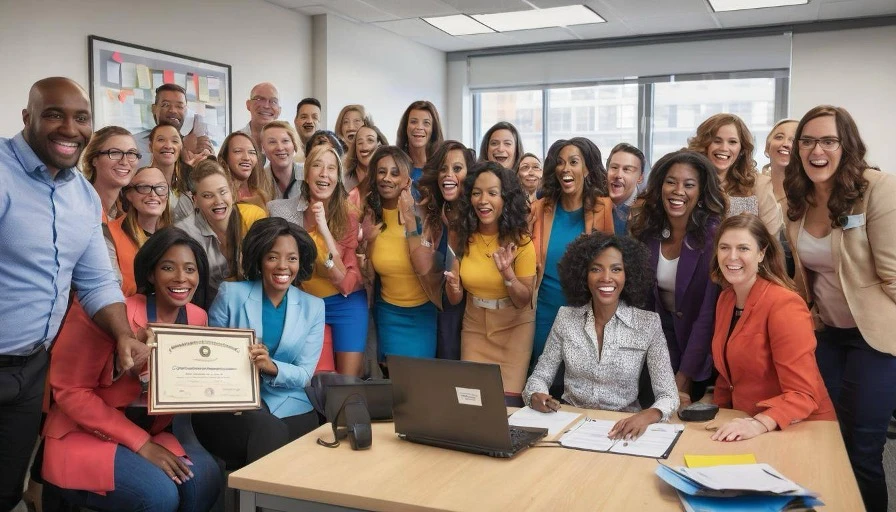
Imagine this: You've been working really hard, pouring your energy into your tasks day in and day out. Now, how great would it be if someone noticed? And not just noticed, but appreciated your efforts? That's where employee recognition comes in.
Recognition is more than just a pat on the back; it's about showing employees that their work matters. It creates an atmosphere where everyone feels valued and motivated to contribute their best. When employees feel recognized and rewarded, they are more likely to remain engaged, satisfied, and committed to their work.
Employee recognition programs come in various forms, ranging from acknowledgment during team meetings to formal awards such as "Employee of the Month." Whether big or small, these programs are essential in conveying gratitude and appreciation to the workforce.
But it's crucial to remember that recognition isn't one-size-fits-all. What one employee values may differ from what another values. Hence, creating a variety of recognition programs and incentives ensures that different individuals feel appreciated in ways that resonate with them personally.
For instance, while some employees may appreciate public acknowledgment for their achievements, others might prefer tangible rewards such as additional vacation days or gift cards that they can use for something special.
Consider this: Recognizing and rewarding employees is like giving them fuel. It ignites their passion for their work and drives them to perform even better. It's a powerful tool in building a positive company culture where everyone feels respected and motivated.
Now, let's dive deeper into how offering incentives further encourages high performance and boosts morale within the workplace.
Conflict is a natural part of any workplace. When people with different backgrounds, perspectives, and work styles come together, disagreements are bound to happen. But how these conflicts are managed can make all the difference. It's essential to create an environment where conflicts are addressed constructively without derailing productivity or damaging employee morale.
One of the most effective ways to manage conflict is by providing training for conflict management. This involves offering specialized workshops and training sessions that equip employees and managers with the skills needed to handle disputes professionally. These workshops can cover topics such as active listening, empathetic communication, and negotiation techniques. By investing in conflict resolution training, employees and managers can develop the ability to address issues before they escalate, fostering a more harmonious work environment.
At Hutchison Group, we understand the value of empowering employees with the tools they need to navigate workplace conflicts successfully. Our specialized conflict resolution workshops have proven to be invaluable for companies seeking to create a positive and cooperative work culture.
In addition to training, it's important to establish a formal mediation process within the organization. This process allows for a neutral party to intervene and help resolve conflicts in a fair and systematic manner. Mediation can provide a safe space for employees to express their concerns and work towards finding mutually acceptable solutions. By implementing a structured approach to resolving disputes, businesses can ensure that conflicts are handled impartially and promote a culture of open communication and understanding.
For instance, imagine a scenario where two employees have a disagreement about a project deadline. Instead of letting tensions escalate and affect teamwork, they have the option to bring in a mediator who can facilitate a discussion and guide them towards finding common ground. This process emphasizes collaboration and respect, ultimately leading to stronger working relationships.
Establishing strong conflict resolution mechanisms not only helps prevent small issues from turning into larger problems but also demonstrates an organization's commitment to addressing concerns in a fair and supportive manner.
By introducing training programs for conflict management and formal mediation processes, companies can proactively nurture an environment where differences are resolved constructively, ultimately fostering higher employee satisfaction and productivity.
With a solid foundation in conflict resolution strategies, let's now explore the pivotal role of company culture in driving employee engagement and organizational success.
Company culture is like the personality of your workplace—the values, traditions, and behaviors that shape the everyday experience of your employees. It's more than just free snacks or casual Fridays; it's about creating an environment where everyone feels respected, valued, and included. Building a positive and healthy company culture is crucial for retaining talent and boosting employee satisfaction.
Promoting Inclusivity: Inclusive workplaces ensure that all employees feel accepted and valued, regardless of their background. Implementing diversity training programs can be incredibly beneficial in cultivating a culture of respect and acceptance. These programs can help foster empathy, educate employees about different perspectives, and encourage open communication. By partnering with consulting services like Hutchison Group, companies can benefit from expert guidance in developing inclusive practices that resonate with their unique organizational structure and goals.
Encouraging Work-Life Balance: Encouraging work-life balance is key to ensuring that employees are happy, healthy, and productive. Offering flexible work hours, remote working options, and wellness programs can go a long way in supporting a healthy balance between professional and personal life. When employees feel that their well-being is a priority for the company, they are more likely to exhibit higher levels of commitment and loyalty. This balance also fosters a sense of trust between employers and employees, leading to increased job satisfaction and reduced burnout.
By prioritizing inclusivity and work-life balance, companies create an environment where employees feel valued, respected, and supported. This not only improves the overall quality of the workplace but also significantly impacts employee satisfaction levels.
Now that we've explored the importance of inclusivity and work-life balance in enhancing company culture, let's move on to the next steps in creating a workplace environment that fosters positive interactions and meaningful connections.
One of the most indispensable elements of a harmonious work environment is trust and respect. When employees trust their leaders and feel respected by their peers and managers, it creates an atmosphere where collaboration, productivity, and job satisfaction thrive. Building trust and respect isn't just a one-time task but an ongoing commitment – it requires consistency, honesty, integrity, and genuine care for your employees' well-being.
Leadership has a significant role in establishing a culture of trust and respect. A key principle here is leading by example. Actions speak louder than words; thus, it's crucial for leaders to exemplify the behaviors, ethics, and attitudes they expect from their employees. This entails not only setting clear expectations but also consistently demonstrating these values in their day-to-day interactions with the team. When leaders model these behaviors, it becomes easier for employees to follow suit, fostering a positive work environment built on mutual respect and trust.
For instance, if a manager expects punctuality and reliability from their team members, they should exhibit these same qualities themselves. Taking steps like acknowledging mistakes when made, displaying humility, giving credit where it's due, actively listening to employee concerns, and being transparent in decision-making processes are all ways leaders can lay the groundwork for building trust and respect within the organization.
Another vital aspect of building trust and respect revolves around ensuring fair opportunities for all employees. Equal access to growth and advancement opportunities is fundamental in demonstrating that the organization values fairness. Regularly monitoring and assessing practices to eliminate any form of bias or discrimination further reinforces this commitment to providing equal possibilities for everyone.
For example, this could involve evaluating hiring, promotion, compensation, training, and development processes to identify areas where biases may be present. Data-driven analysis can help uncover disparities and allow for appropriate corrective action to be taken. By upholding fairness in these areas, employees are more likely to feel valued, recognized, and motivated knowing that their contributions are acknowledged based on merit rather than favoritism or personal connections.
Employees thrive in an environment where they feel they're treated fairly and have ample scope for professional development. As we continue exploring ways to enhance labor relations and employee satisfaction, we'll dive into the significance of open communication and active engagement within the workplace.
Visit Hutchison Group to learn more about how our expert services can help you improve labor relations within your organization.
Fostering trust, respect, and equal opportunity not only enhances labor relations but also fuels employee satisfaction. It sets the stage for a productive, collaborative work environment where every individual feels valued and empowered.
© Copyright 2026 | Hutchison Group Labor Relations Consultants, Inc