
OVER 40 YEARS
PROVEN EXPERIENCE
OVER 40 YEARS
PROVEN EXPERIENCE

Effective communication between supervisors and employees is essential for a harmonious and productive workplace. When misunderstandings arise, they can lead to low morale and decreased productivity, creating a stressful environment for everyone involved. The key to resolving these issues lies in developing strong labor relations skills among supervisors.
Investing in supervisor training not only improves their ability to manage relationships but also enhances overall team performance. At Hutchison Group, we understand the complexities involved and have demonstrated that targeted training programs can boost employee engagement by up to 60%. Techniques like role-playing exercises and personalized mentoring may seem unconventional but are surprisingly effective in preparing supervisors for real-world challenges.
One effective strategy for enhancing supervisors' labor relations skills is to provide tailored training programs that focus on conflict resolution, effective communication, and collaborative problem-solving. Additionally, encouraging open dialogue between supervisors and employees can foster a positive work environment and strengthen labor relations.
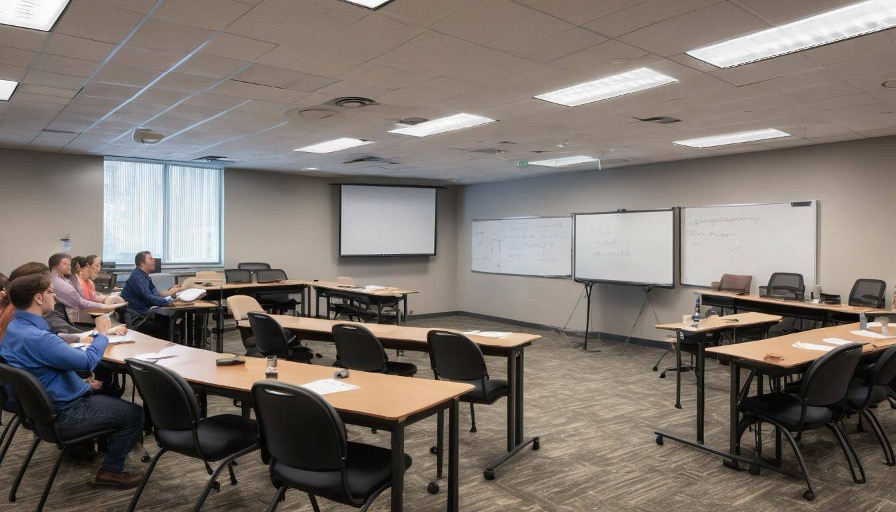
Supervisors are instrumental in maintaining positive labor relations within an organization. They act as the bridge between management and employees, and their communication skills can significantly impact the work environment. At Hutchison Group, tailored development plans for supervisors are essential to enhance their labor relations skills. One effective approach is to start with foundational courses that instill the fundamental principles of labor relations.
These foundational courses provide supervisors with a solid understanding of labor laws, HR policies, and conflict resolution strategies. Training programs should focus on developing active listening skills, empathy, and effective communication techniques. By equipping supervisors with this knowledge, they can effectively navigate complex labor-related issues while enhancing employee engagement and overall productivity.
Once supervisors have a solid understanding of the foundational principles, advanced workshops tailored to specific scenarios they encounter in their daily roles can be beneficial. These workshops can cover topics such as handling grievances, conducting disciplinary actions, and managing union-related matters.
For instance, simulated case studies and interactive sessions can provide supervisors with practical insights into real-world labor relations challenges. These immersive experiences can help them develop the confidence and skills necessary to address difficult situations proactively.
Investing in targeted training programs for supervisors has proven to yield substantial benefits. Organizations that commit to developing their supervisors' labor relations skills often experience a significant improvement in employee engagement rates, reaching up to 60% or more.
The next critical step in fostering effective labor relations is to cultivate a supportive approach within the workplace, which involves creating an atmosphere where employees feel valued and supported.
Building an environment where employees feel valued and respected isn't just about creating a more pleasant workplace—it's an effective strategy for improving productivity, boosting morale, and fostering loyalty. When employees see that their supervisors are genuinely interested in their well-being and professional growth, it motivates them to perform at their best.
Supervisors can show their support by taking the time to regularly check in with their team members. This demonstrates that they are approachable and willing to listen to any concerns or challenges that the employees may be facing. It also provides an opportunity to praise achievements and offer constructive feedback, creating an atmosphere of trust and encouragement.
Another important aspect of a supportive approach is acknowledging the workload of each employee. Asking about their workload and offering assistance before problems escalate emphasizes that supervisors are invested in their team's success. This approach shows that the supervisor values teamwork and understands the importance of maintaining a manageable workload for each employee.
For example, personalized mentoring sessions can be incredibly impactful. These one-on-one sessions provide employees with the opportunity to discuss career goals, receive guidance on professional development, and gain insights from the supervisor's experience. It's a way of demonstrating that the supervisor cares about helping them succeed.
Some might argue that supporting employees too much can lead to dependency or lack of initiative; however, when done effectively, it actually encourages proactive problem-solving and fosters a sense of accountability within the team.
Ultimately, creating a supportive environment requires supervisors to not only address professional development but also recognize personal achievements and provide resources for overall growth. This nurturing approach leads to increased job satisfaction, higher productivity rates, and stronger employee loyalty.
In essence, developing a supportive approach is a cornerstone in fostering healthy workplace relationships. Now, let's explore how building trust with employees plays a vital role in workplace dynamics.
Building trust is akin to constructing a solid structure; it requires time, effort, and consistent, robust materials. In the workplace, trust is the bedrock that keeps the gears turning smoothly. When employees trust their supervisors, they're more likely to feel motivated and loyal to the company.
So how do you build this crucial trust? It's about demonstrating that you're reliable, honest, and approachable. Your actions should consistently match your words, and you need to take the time to listen to them.
A key way to foster trust is by providing clear communication. Supervisors should be transparent about changes happening in the workplace and always provide a reason for those changes. This way, employees feel included in the decision-making process and comprehend the company's direction, which, in turn, uplifts their morale and loyalty. It makes sense, right? Just like when you explain to someone why you're taking them on a particular route during a car ride – it makes them feel involved rather than just following blindly.
For instance, sharing decision-making processes openly and explaining the reasons behind changes helps employees feel included and respected.
Approachability is also essential. Supervisors should show that they are open to receiving feedback or concerns from their team members without judgment or retribution. When people know they can speak up without fear of being shut down or penalized, they're more likely to voice their thoughts and contribute creatively.
Imagine being in a boat trying to follow someone who doesn't talk but merely points where you should steer next. It can be confusing and uncomfortable. But if that person explains where they want to go and why along with acknowledging your input, doesn't that make it all more comforting and even rewarding?
There's research out there that says trust in leadership can increase employee satisfaction by 50%. That's a pretty impressive number! And it makes sense too. If you feel like you can depend on your boss and talk to them openly without worrying about backlash, you would definitely feel more satisfied at work.
In the end, it all comes down to one basic thing: honesty. If you are honest and open with your team, they will respect you for it. Trust me—it goes a long way!
Building trust isn't just about being nice - it's about laying down a foundation of reliability so strong that your employees feel secure enough to take risks and excel in their roles.
Effective communication is a vital skill for supervisors to cultivate. It goes beyond just being able to speak clearly; it means being understood and understanding in return. Using simple, clear language can make a big difference in how well the message gets across. Avoiding complicated terms and industry jargon can prevent misunderstanding or confusion—just like how you wouldn't use advanced math terms to explain basic addition, using easy-to-understand language is key.
Moreover, tailoring communication style to different audiences is essential. You wouldn't speak to a group of professionals the same way you would with new hires. Each group needs a different approach, and it's crucial for supervisors to adapt accordingly. This shows that they understand their team members' unique needs and are making an effort to connect with them personally.
Supervisors can benefit greatly from training workshops on communication strategies, including non-verbal cues and active listening. Non-verbal cues such as body language, eye contact, and facial expressions play a significant role in conveying messages effectively. An open posture and attentive eye contact demonstrate that a supervisor is approachable and actively engaged in the conversation.
Active listening involves giving full attention to what others are saying, genuinely comprehending their points, asking relevant questions, and providing feedback. When supervisors practice active listening, they validate the speaker's thoughts and feelings, enhancing trust and fostering stronger working relationships.
Furthermore, regular updates and transparent reporting are fundamental in maintaining trust and alignment within the team. It ensures that all team members are on the same page regarding organizational goals, policies, and any changes that may affect them.
For example, sharing quarterly updates on company performance or policy changes through team meetings or informative emails keeps everyone informed. Transparent reporting reassures employees that important information will not be hidden from them and promotes a culture of honesty and openness within the organization.
By prioritizing effective communication, supervisors can create an environment where every team member feels valued, heard, and understood. This not only enhances overall productivity but also contributes to a positive workplace culture where everyone can thrive.
In conclusion, honing communication skills allows supervisors to lead confidently and ensures that their team is well-informed and empowered to achieve collective success.
When it comes to effective workplace communication, active listening is paramount. As a supervisor, your ability to make employees feel valued and heard is crucial for fostering a healthy work environment. This involves more than just hearing what someone says; it's about truly understanding their perspective. To achieve this, maintaining eye contact, nodding, and paraphrasing what the employee has said to confirm understanding are essential techniques for demonstrating that you're engaged and genuinely interested in what they have to say.
Imagine a scenario where an employee approaches you with an issue they are facing. By actively listening—maintaining eye contact, nodding, and asking clarifying questions—you can demonstrate your commitment to understanding their concerns. This not only makes the employee feel valued but also provides you with important insights into potential areas for improvement within the organization.
In addition to active listening, providing constructive feedback is equally important. When delivering feedback, it's crucial to focus on specific behaviors rather than personal attributes. Constructive feedback should be delivered in a timely manner to ensure that issues are addressed promptly and effectively.
For instance, rather than criticizing an employee's time management skills, you could provide feedback on specific behaviors such as missed deadlines or incomplete tasks. This approach allows employees to understand how their actions impact their performance and overall contribution to the workplace.
Balanced feedback is another essential aspect of effective supervisory skills. Highlighting both strengths and areas for improvement encourages growth and motivates employees to perform at their best. Let's explore how striking this balance contributes to a positive workplace culture and fosters continuous improvement among employees.
Now, let's uncover powerful conflict resolution techniques that help cultivate a harmonious and productive workplace environment.
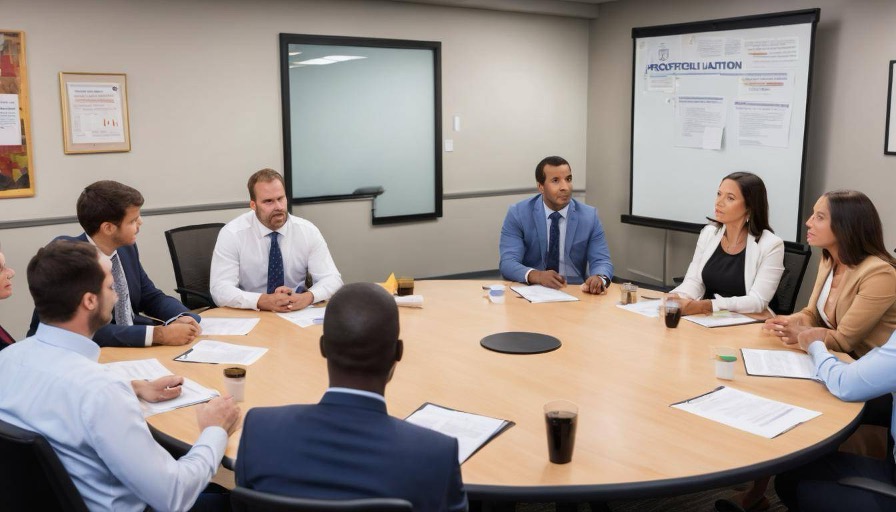
Conflicts are an inevitable part of workplace dynamics. As a supervisor, understanding how to handle conflicts promptly and effectively is crucial for maintaining a positive work environment and preventing issues from escalating. This involves not just addressing the surface-level conflicts but also delving into the root causes and facilitating open dialogue between conflicting parties.
One effective technique for supervisors to employ is mediation. Mediation techniques empower conflicting parties to express their concerns openly while working towards a mutually beneficial and amicable resolution. By acting as a neutral third party, supervisors can guide the conversation, helping employees find common ground and resolve underlying issues that contribute to conflicts.
It's important to note that conflict resolution shouldn't be about assigning blame but rather about fostering understanding, empathy, and teamwork among employees.
For example, consider a scenario where two team members constantly clash over differing work styles. Instead of simply reprimanding them for disrupting the workplace harmony, a supervisor can facilitate a mediation session where both individuals express their perspectives and work together to find a compromise that aligns with the team's objectives.
Furthermore, encouraging a problem-solving mindset among employees is essential for effective conflict resolution. Supervisors should guide team members to focus on finding solutions rather than perpetuating tensions. Implementing problem-solving workshops or training sessions can equip employees with the skills they need to address conflicts constructively.
Moreover, creating an environment of open communication and psychological safety is vital. Employees should feel comfortable expressing their concerns without fear of reprisal or judgment. This fosters trust and encourages employees to address conflicts early before they escalate.
Real-life case studies and mock mediation sessions serve as valuable tools for supervisors to practice these conflict resolution techniques proactively. These hands-on experiences enable supervisors to refine their communication and mediation skills in a controlled environment, preparing them to tackle real workplace conflicts with confidence.
Equipped with strategic conflict resolution skills, supervisors can now shift their focus towards nurturing team collaboration—a key element in cultivating a harmonious and productive work culture.

Effective communication and conflict resolution are just the initial steps towards creating a harmonious work environment. Promoting collaboration among employees is crucial for fostering a sense of community, shared purpose, and ultimately enhancing productivity and innovation.
Supervisors play a pivotal role in promoting collaboration within their teams. They can organize team-building activities, such as group volunteer projects or outdoor events, that encourage positive interactions and create a sense of camaraderie among employees. By facilitating cross-departmental projects, supervisors can foster cooperation across different areas of the organization, breaking down silos and promoting mutual understanding.
Recognizing collaborative efforts publicly can reinforce the value of teamwork and encourage employees to actively participate in collaborative initiatives. Acknowledging individuals who have positively contributed to collaborative projects during team meetings or company-wide communications can motivate others to engage more actively in teamwork.
For example, regularly scheduling brainstorming sessions where employees from different departments come together to discuss ideas and solutions not only promotes collaboration but also allows for the free flow of innovative ideas. Additionally, providing collaborative tools such as project management platforms or communication channels can further facilitate seamless teamwork.
According to studies, effective collaboration can boost innovation and increase productivity by 15%, showcasing the tangible benefits of promoting a collaborative work culture.
If you're looking to equip your supervisors with the necessary skills to enhance labor relations effectively and promote a collaborative work environment, consider exploring the comprehensive labor relations training programs offered at Hutchison Group for more information on how our programs can benefit your organization.
Creating an environment where collaboration thrives can significantly impact workplace harmony, employee satisfaction, and overall productivity. With the right strategies and support, supervisors can effectively foster teamwork and drive meaningful progress within their teams.

© Copyright 2026 | Hutchison Group Labor Relations Consultants, Inc